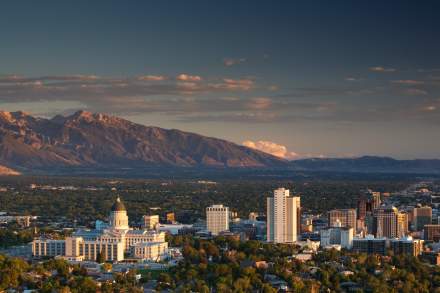
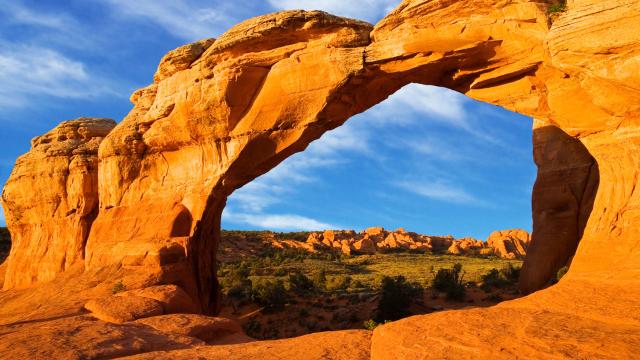
Vacationing in the national parks? Salt Lake is the best way to start your trip.
Salt Lake sits within a day’s drive of all five of Utah’s national parks, making it one of the most convenient gateways to the state’s iconic red rock landscapes. Visitors can land at Salt Lake City International Airport, explore the city’s dining, culture and outdoor scene, then set out for Zion, Bryce Canyon, Arches, Canyonlands and Capitol Reef.
Whether you’re planning a spring road trip or a fall photography adventure, Salt Lake makes an easy and memorable base camp. Here’s how to plan your national park visit from Salt Lake, including seasonal tips, travel times and park entry requirements.
National Park Week
If you’re planning a summer trip to Utah starting on the 3rd Saturday in August, is a great time to visit. It’s one of the most popular times of year to celebrate the parks, with special ranger programs, community events and increased visitation across Utah’s Mighty 5. Visitors should plan ahead for crowds and limited parking and if you cannot make it in the summer, other times of the year provide many advantages, including few crowds in winter, and milder weather for hiking in the spring!
Before You Go: Park Passes and Reservations
Most Utah national parks charge a $35 vehicle entrance fee, valid for seven days. Visitors planning to see multiple parks may want the America the Beautiful annual pass ($80), which covers entrance fees at all U.S. national parks and federal recreation sites. All International visitors will be required to purchase the America the Beautiful Pass for entrance to the parks (find information here).
Some parks also have specific requirements:
Zion National Park
Mandatory shuttle system in Zion Canyon typically March through late November
Angels Landing requires a permit obtained through a lottery system
Arches National Park
No timed entry reservation required
Reservations required for self-guided and ranger-led Fiery Furnace hikes
Bryce Canyon National Park
No timed entry reservation required
Canyonlands National Park
No timed entry reservation required
Capitol Reef National Park
No timed entry reservation required
Spring: Capitol Reef and Goblin Valley Adventures
Spring is one of the best seasons to visit Utah’s national parks. Snowmelt feeds desert streams; wildflowers begin to bloom, and daytime temperatures are comfortable for hiking.
Spring break can bring larger crowds across the state, but Capitol Reef remains one of Utah’s least visited national parks, making it a great choice for travelers looking for a quieter experience.
Salt Lake is a natural start to your adventure as you acclimate to the elevations. Enjoy a walk downtown, brunch at a local café and a visit to the Natural History Museum of Utah. Spring also brings cultural events like the Living Traditions Festival, celebrating the city’s diverse communities.
Then head south to:
Capitol Reef National Park Distance from Salt Lake: about 215 miles Drive time: about 3.5 hours
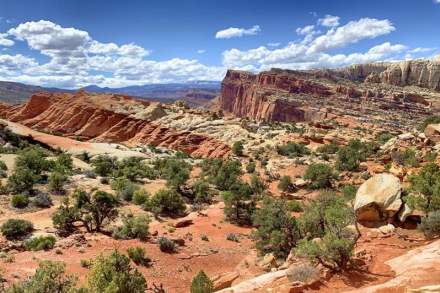
Capitol Reef’s scenic drive, towering red cliffs and historic orchards make it a spring favorite. The Fruita district begins to come alive this time of year, with blooming trees and comfortable hiking temperatures.
While you’re in the area, add a stop at Goblin Valley State Park, about two hours east of Capitol Reef. The park’s surreal landscape of mushroom-shaped rock formations feels like walking through another world and offers easy exploration for families and photographers.
Summer: Escape the Heat at Bryce Canyon
Summer offers long daylight hours, full access to park trails, scenic drives and National Park Week! But southern Utah temperatures can climb well above 100 degrees in places like Arches and Canyonlands. Bryce Canyon offers a cooler alternative.
At elevations between roughly 8,000 and 9,000 feet, Bryce Canyon National Park is often 10 to 20 degrees cooler than many other Utah parks. While desert parks can feel scorching, Bryce frequently enjoys comfortable summer temperatures in the 70s and 80s.
Before hitting the road to the national parks, take a day (or two) to enjoy Salt Lake’s vibrant summer scene. July brings peak wildflower season to the Wasatch Mountains, and the Wasatch Wildflower Festival invites visitors to ride scenic chairlifts, join guided hikes and see alpine meadows in full bloom. Summer also brings events like the Utah Arts Festival, outdoor concerts at Red Butte Garden and endless hiking opportunities in Big and Little Cottonwood Canyons.
Then drive south to:
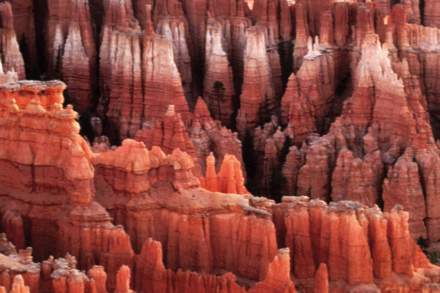
Bryce Canyon National Park Distance from Salt Lake: about 270 miles Drive time: about 4 hours
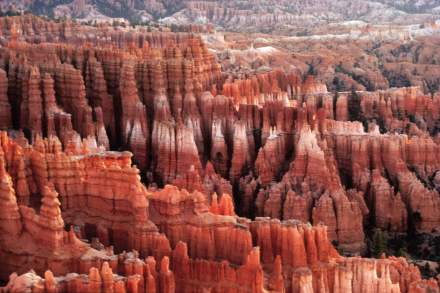
Bryce’s famous hoodoos glow at sunrise and sunset, and its cooler temperatures make it one of the best summer hiking destinations in Utah.
Nearby Kodachrome Basin State Park is another hidden gem worth adding to your itinerary. Its towering sandstone spires and quiet hiking trails offer a peaceful complement to Bryce Canyon’s famous viewpoints.
Fall: Cooler Temperatures and Fewer Crowds in Moab
Fall brings cooler temperatures and fewer crowds to southern Utah, making it an ideal time to explore the dramatic landscapes around Moab.
In Salt Lake you can get the full autumn experience as brilliant colors fill the Wasatch Mountains. Seasonal events like Oktoberfest at Snowbird and local block parties highlight the changing season. You might even catch some early season snow frosting the mountain peaks before heading out to the red rock wonders.
From Salt Lake, drive east to:
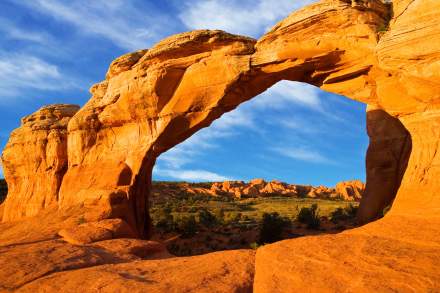
Arches National Park Distance from Salt Lake: about 230 miles Drive time: about 3.5 to 4 hours
Canyonlands National Park (Island in the Sky district) Distance from Salt Lake: about 250 miles Drive time: about 4 hours
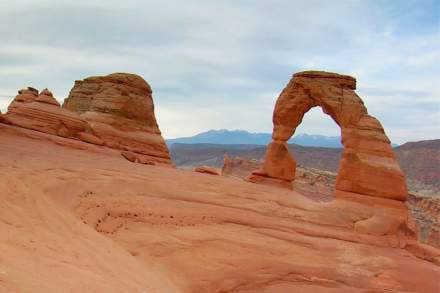
These parks are located just outside Moab and are often visited together. Fall’s milder temperatures make hiking to Delicate Arch, Mesa Arch and other iconic viewpoints far more comfortable than during the heat of summer.
Next to Canyonlands, Dead Horse Point State Park delivers one of the most dramatic overlooks in the American Southwest. The park’s sweeping view of the Colorado River nearly 2,000 feet below rivals any viewpoint in the national parks and is especially stunning at sunrise or sunset.
Winter: Zion Without the Crowds
Winter offers a quieter, more peaceful experience in many of Utah’s national parks. Snow dusts red rock cliffs, crowds thin out and midday hiking temperatures can be ideal.
Zion National Park is particularly appealing in winter. During much of the winter season, the Zion Canyon shuttle system is not required, meaning visitors can drive their own vehicles along the scenic canyon road.
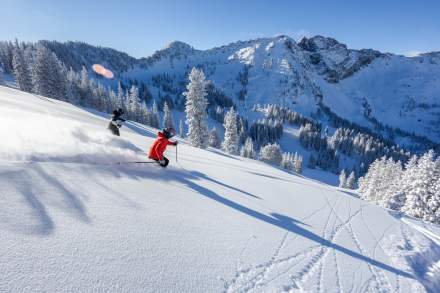
Before heading south, enjoy the full experience of America's Mountain City. The winter energy starts at 4 world-class ski resorts where you can enjoy some skiing or snowboarding thrills before rounding out your day downtown at top-notch restaurants, taking in holiday lights, or adding in a spot of culture with a night at the symphony or ballet.
Then travel to:
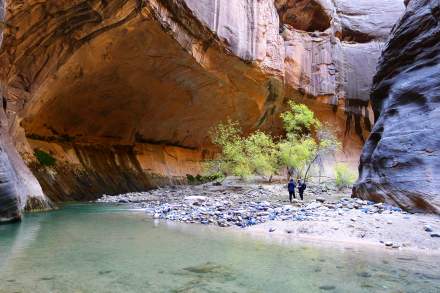
Zion National Park Distance from Salt Lake: about 310 miles Drive time: about 4.5 hours
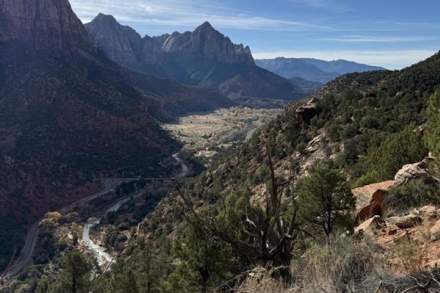
With fewer visitors and easier access to trailheads, winter is one of the most underrated times to experience Zion’s towering sandstone cliffs and quiet canyon trails.
While visiting Zion, consider adding nearby Snow Canyon State Park to your itinerary near St. George. Snow Canyon features lava tubes, red sandstone cliffs and quiet desert trails, offering a beautiful and less crowded complement to Zion’s famous landscapes.
Planning Your Utah National Parks Base Camp
Salt Lake offers a unique advantage for national park travelers. With a major international airport, vibrant urban attractions and easy interstate access, visitors can experience both city culture and some of the most famous landscapes in the American West.
No matter what time of year you plan to visit, start your journey in Salt Lake. Then hit the road and discover why Utah’s national parks continue to inspire travelers from around the world.